1M t
Annual supply deficit
A widening supply gap
The world produces 14 million tonnes of natural rubber a year and consumes 15 million. That one million tonne deficit is structural, not seasonal.
Advanced Ag-Tech Solutions
QuberTech applies biotechnology and controlled-environment crop science to a $20 billion industry that is running short of the material it depends on — delivering rubber that is high quality, fully traceable and produced without deforestation.
The Challenge
Global production of natural rubber is declining while demand keeps rising. Synthetic alternatives lack its superior qualities and carry environmental costs of their own.
See how we solve it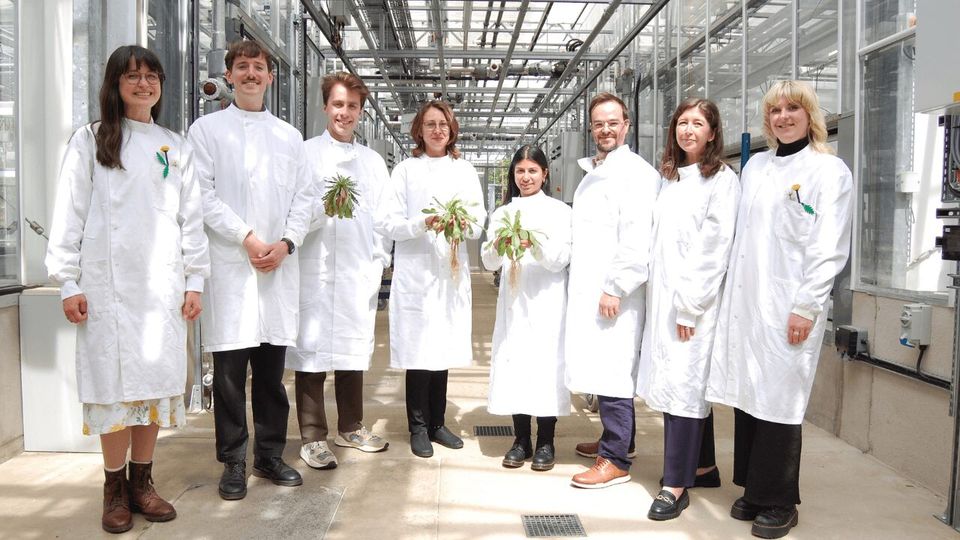
1M t
Annual supply deficit
The world produces 14 million tonnes of natural rubber a year and consumes 15 million. That one million tonne deficit is structural, not seasonal.
EUDR
EU Deforestation Regulation
The European Union Deforestation Regulation (EUDR) is fundamentally transforming the global rubber industry and the traceability every buyer must now prove.
85%
Of supply from smallholders
Smallholders produce 85% of all natural rubber, spread across regions exposed to climate stress, disease and geopolitical risk.
4.7%
Annual demand growth
Demand keeps compounding against declining production. Experts forecast natural rubber prices to mirror the volatility already seen in the coffee and cacao markets.
Global balance, per year
1 million tonnes short, every single year.
Our answerWho We Work With
QuberTech is built at Norwich Research Park alongside the institutes, funders and industry bodies that set the standard for crop biotechnology — and for the rubber industry it supplies.
Logo files pending — wordmarks shown as placeholders.
Impact
Today's rubber supply chain carries a deforestation risk and a long transport footprint before the material ever reaches a factory. Ours is designed to carry neither.
The Solution
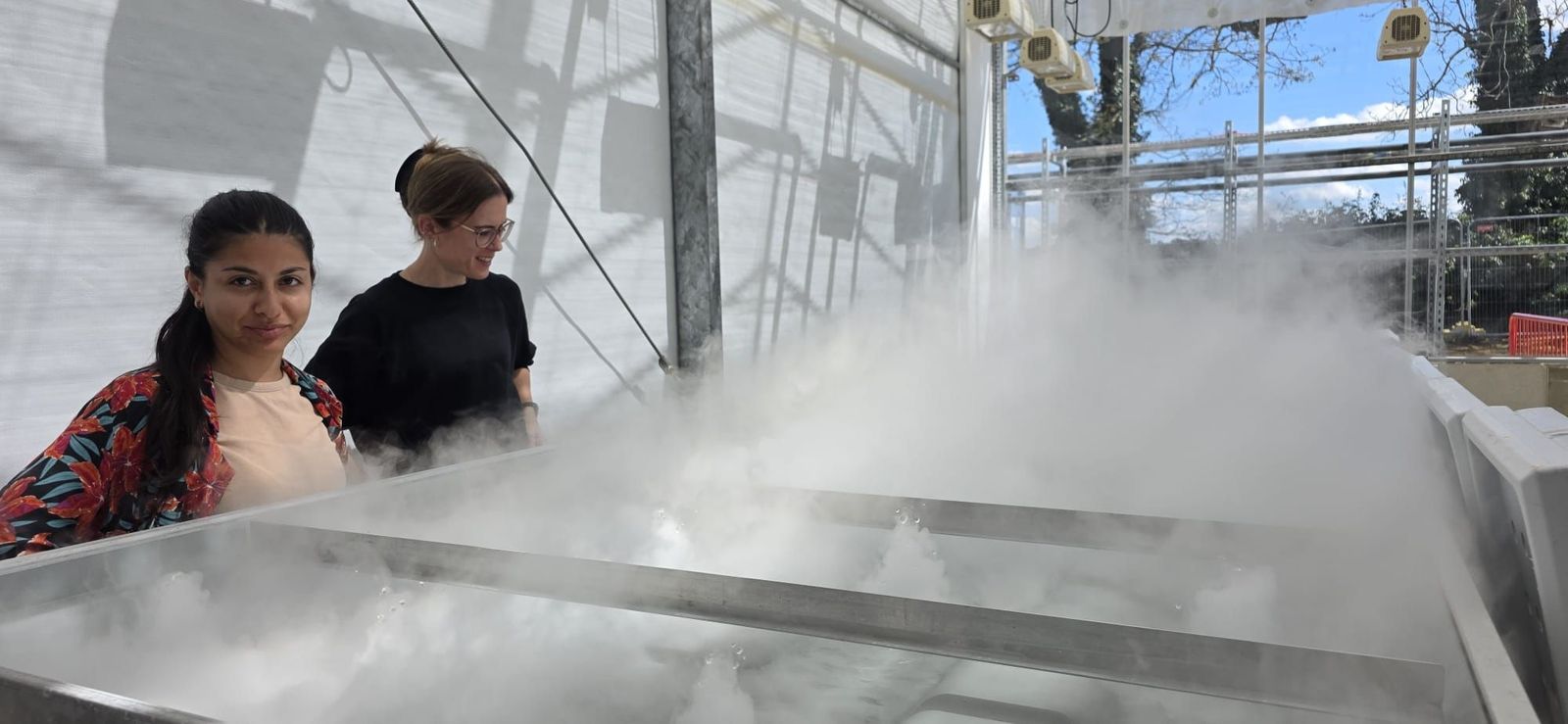
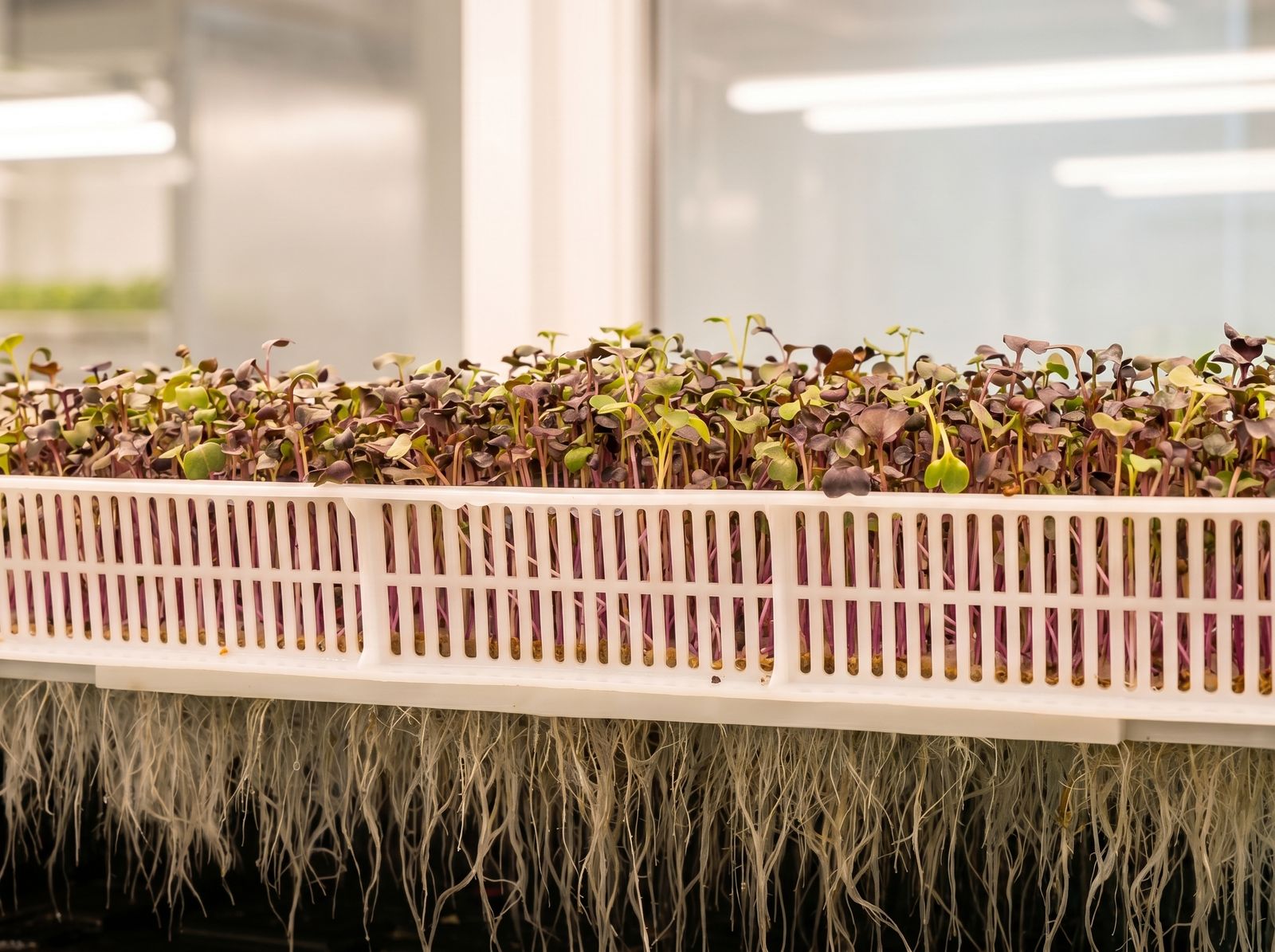
Using biotechnology tools to improve alternative crops grown in a controlled environment — contributing to a sustainable industrial future.
Natural Rubber by Numbers
Technology
A biotech-led route to the same material the world already relies on — grown where we choose, to a specification we control.
Application Industries
Natural rubber is not a niche input. It is load-bearing in the industries that move and protect people.
The single largest use of natural rubber worldwide.
Industrial components where elasticity and fatigue resistance are non-negotiable.
Seals, mounts and vibration control across the vehicle.
Soles and components that depend on natural rubber's resilience.
Crumb rubber granulate and further downstream rubber goods.
Applications where synthetic substitutes fall short on performance.
Beyond Rubber
Dandelion roots yield inulin alongside rubber — a natural sugar and prebiotic fibre with a global market of nearly $2 billion. One crop, two commercial streams.
Primary output
Nearly $2B global market
About QuberTech
QuberTech is an innovative UK based biotechnology company, founded to address the critical challenges faced by the $20 billion global natural rubber industry. A sector under increasing pressure due to sustainability concerns, geopolitical risk, climate vulnerability, and supply chain pressure.
Transforming the natural rubber industry with innovative, sustainable biotech solutions for a greener future.
To revolutionise natural rubber production through biotech innovation, delivering sustainable, high-quality, and traceable materials for global industries.
Why QuberTech
Production that does not depend on one climate, one region or one growing season.
Sited on brownfield or non-arable land, close to the industries that consume the material.
A controlled environment means consistent specification, batch after batch.
No deforestation, a shorter transport footprint and full traceability end to end.
The Team
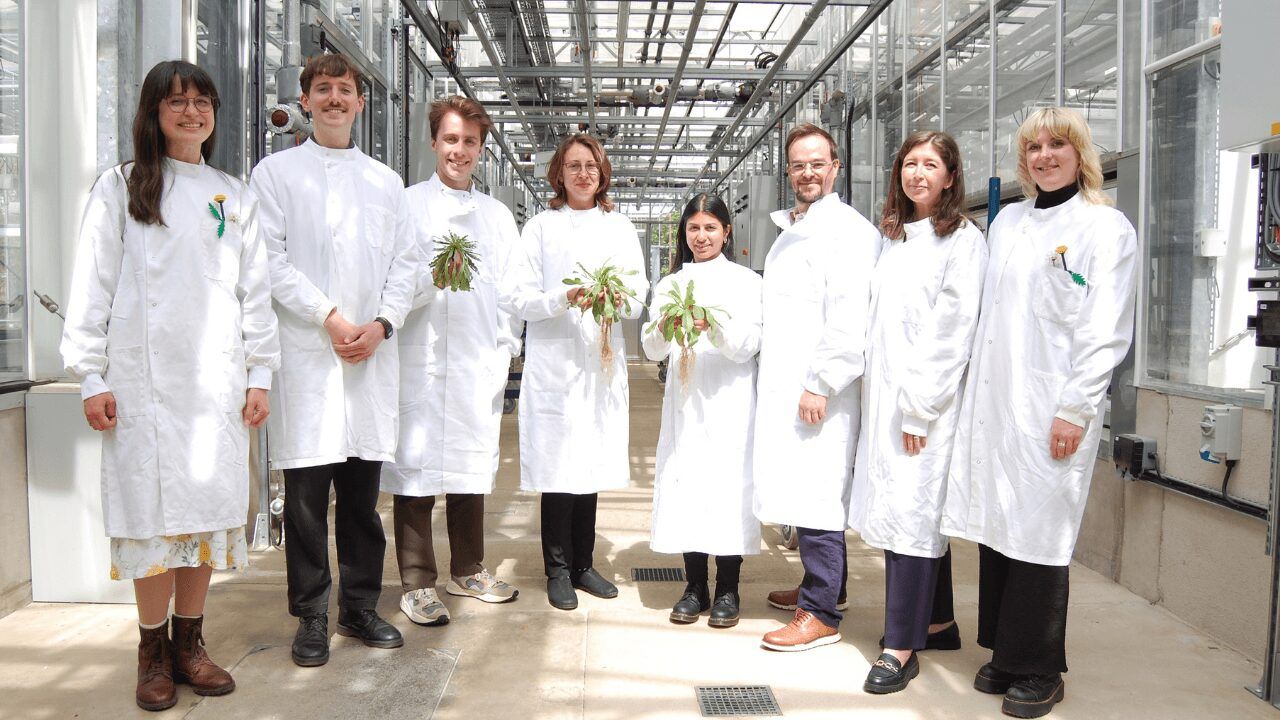
A team drawn from crop biotechnology, genetics and commercial agri-science — with an advisory bench spanning R&D strategy, regulation and finance.

Co-founder & CEO

Co-founder & CBO

Head of R&D
Head of Genomics

Senior Scientist

Project Manager

Scientist

Scientist

Scientist

Scientist
Scientist
HR & Office Manager
Work With Us
Whether you buy natural rubber at scale, invest in deep-tech agriculture, or want to work in the lab — the conversation starts the same way.
Global production sits at roughly 14 million tonnes a year against demand of 15 million — a structural deficit of one million tonnes. Production is declining while demand grows at 4.7% a year, and 85% of supply comes from smallholders in regions exposed to climate stress, disease and geopolitical risk.
Synthetic alternatives lack natural rubber's superior qualities and carry environmental risks of their own. For tyres, hoses, seals and other load-bearing applications, natural rubber remains the specification.
We use biotechnology tools to improve alternative crops — dandelion roots produce natural rubber — and grow them in a controlled environment. That decouples supply from weather, season and geography, and makes every batch traceable.
The European Union Deforestation Regulation is fundamentally transforming the global rubber industry: buyers must be able to prove their material is deforestation-free. Our production model is 100% traceable and uses brownfield or non-arable land, so that proof is built in.
Inulin is a natural sugar and prebiotic fibre recovered from the same dandelion roots, serving a global market of nearly $2 billion across probiotics, bioethanol and bioplastics. It turns a single crop into two revenue streams and strengthens the economics of every harvest.
At Norwich Research Park in Norwich, UK — alongside the John Innes Centre and the wider UK crop science base.
Contact
Tell us what you need and the right person will come back to you. We usually reply within two working days.