
Technology
Gene-edited dandelions to produce rubber
The Times looks at the crop science behind rubber that does not come from a rubber tree.
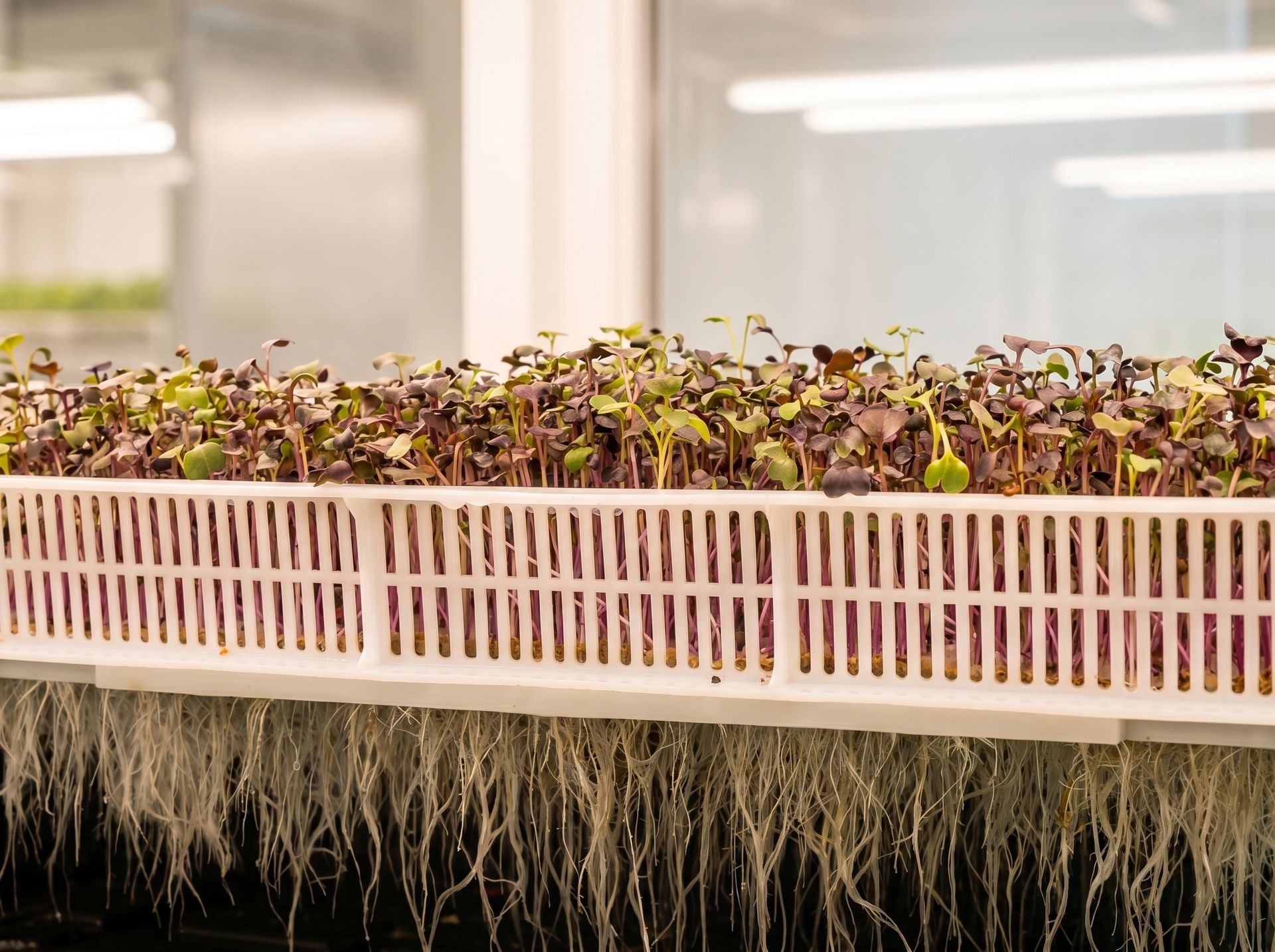
The Times covered the use of gene-edited dandelions to produce natural rubber, and with it the question every buyer eventually asks: if the material is the same polymer, does it matter which plant it came from?
It does not. Natural rubber is prized for its fatigue behaviour, its heat build-up and its elasticity, and those properties come from the polymer, not from the species that made it. Several dandelion species store latex in their roots. What has held the crop back is not chemistry but agronomy: yield per hectare, consistency between batches, and how cleanly the rubber can be recovered and processed.
That is exactly what precision breeding is aimed at. Improving the plant against a small number of measurable traits turns a botanical curiosity into something a compounder can buy on specification, and it does so in a crop that reaches harvest in a fraction of the time a rubber tree takes.
The second argument is where the crop can grow. A dandelion does not need a tropical climate, so production can sit on brownfield or non-arable land close to the factories that consume the material, rather than on land that was forest a decade ago.
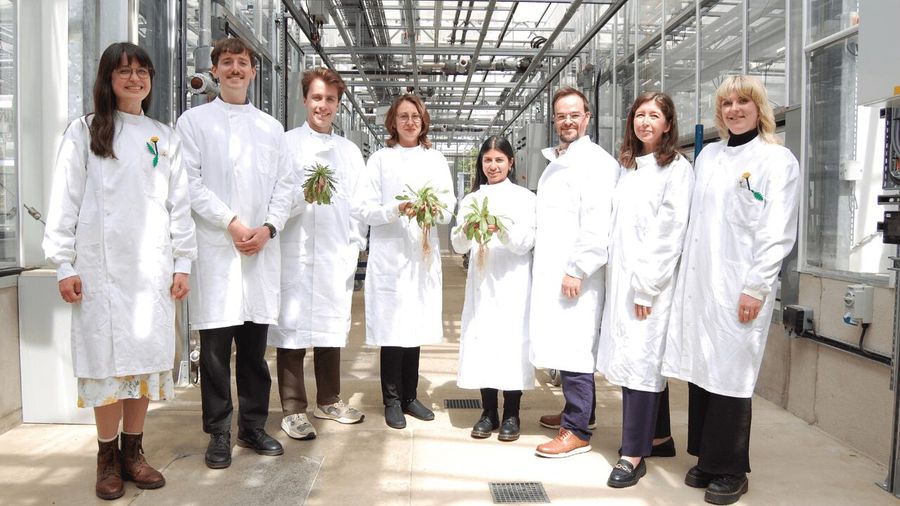
UK startup raises £3.4m to grow sustainable rubber from dandelions
UKI2S, managed by Future Planet Capital, and Sustainable Ventures back the engineering biology platform behind dandelion rubber.
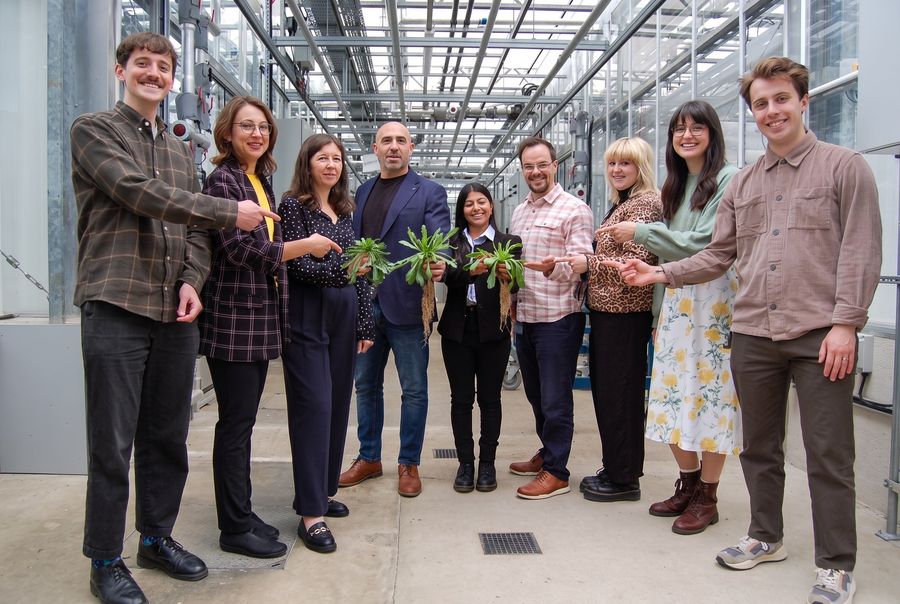
John Innes Centre wins Defra funding for crop innovations
Defra's Farming Innovation Programme backs crop innovation at Norwich Research Park, including the precision breeding project QuberTech leads.
QuberTech pioneers new natural rubber source from dandelions
A profile of the company, the crop and the reason a Norwich business is working on a tropical commodity.